
Ad Creative Analysis
Understand an ad’s hook, message, proof and CTA, backed by source lines.
Meta ad creative analysis: the ad's argument, line by line
Every finding ties to the creative: the spoken line, on-screen text when available or the visual moment. The read separates what the ad argues from what an ad account might report.
Specific socket pain makes the portable mechanism easy to understand.
Source line
00:00- 00:00
The best seat on the balcony was always the one furthest from the socket.
- 00:05
So I stopped planning the whole evening around an extension cable.
Open a finding and check the line, timestamp or available on-screen text behind it. The analysis shows what the ad says; it does not turn that into a delivery claim.
The opening tension is stated before the product
The first line sets a small-space problem: 'The best seat on the balcony was always the one furthest from the socket.' The second turns it into a decision: 'So I stopped planning the whole evening around an extension cable.'
The product mechanism earns its place
The ad explains what the lamp does before asking for a sale: 'This lamp charges inside and comes outside with the book.' The cool handle and one-button brightness are practical proof.
The ask includes a sensible check
Before the color choice, the ad says, 'Check the dimensions and charging details before choosing a color.' Then it closes: 'You can see all three colors on the product page below.'
Explore a sample ad creative analysis
The sample reads the ad's message, product mechanism, proof, objection and purchase ask from its own lines. It does not report spend, ROAS, conversion or a winner prediction.
 00:37
Sample
The lamp that goes where the evening goes
- Problem-solution ad
- Hook ·Problem Callout
Transcription
Translate- 00:00
The best seat on the balcony was always the one furthest from the socket.
- 00:05
So I stopped planning the whole evening around an extension cable.
- 00:09
This lamp charges inside and comes outside with the book.
- 00:13
The handle stays cool, and one button changes the brightness.
- 00:17
Here it is on the dining table, and here it is beside the chair.
- 00:22
It is not a lamp for the whole garden. It is enough light for the place I am sitting.
- 00:29
Check the dimensions and charging details before choosing a color.
- 00:33
You can see all three colors on the product page below.
Decision brief
Specific socket pain makes the portable mechanism easy to understand.
Worth borrowing
- Withhold the product reveal until the pain is named, then keep attention with proof variations and purchase checks.
- The specific pain of cable planning makes the portable mechanism instantly legible.
- Two seating contexts show the lamp following the reader rather than the socket.
Priority improvements
- The product does not appear until 9.6s, so the hook must carry attention alone.
- Name the product category sooner to anchor relevance.
- Add one consequence of cable planning to raise stakes.
Content profile
Compare dimensions, no total scoreType
Problem-solution ad
Audience
Balcony readers with limited sockets
Emotion
Socket-planning frustration
Positioning
A portable reading lamp for the spot you sit, not whole-garden lighting.
Audience and conversion
Audience tension
- Extension cords limit where balcony furniture can go.
- Generic outdoor lamps are too bright or bulky for a small seating area.
Purchase drivers
- Moves easily from indoor charging to outdoor use.
- Cool handle and one-button brightness reduce handling friction.
Use moments
- Reading on a balcony after dark.
- Moving light from dining table to chair.
Specialist lens
Key observations
- Pain Relevance · Balcony readers lose the best seat because nearby sockets, not seating comfort, dictate the layout.
- Offer Clarity · A rechargeable portable lamp with a cool handle and one-button brightness control.
- Objection Handling · States it lights a seated spot rather than a whole garden, preventing overexpectation.
Distribution and engagement
Platform fit
- Meta feed favors quick problem-solution demos with a clear product-page cue.
Comment triggers
- Viewers may ask about brightness, runtime, or charging time.
- Some will debate whether the lamp is bright enough for outdoor use.
Share triggers
- Tagging a balcony-owning friend who hates extension cords.
- Saving as a compact outdoor lighting shopping reference.
Put this analysis to work
Generate the next piece, or save reusable strategies and lines.
How it works
1Start with a supported video link
Copy a public video link from TikTok, Instagram, YouTube, X or Pinterest, a Meta Ads Library link, or a public Google Drive video file. Paste it above to analyze the first reference.
2Read the creative evidence
Paste the link. The ad is read through message, angle, audience, offer, proof, objections and CTA, with findings tied to the script line or on-screen text that carries them.
3Save, compare or rewrite
Keep the analysis in your library, compare up to 50 ads Research set, or turn the analyzed reference into a new draft for your own product.
What is Meta ad creative analysis?
Meta ad creative analysis reads a public ad creative as an argument: what it says, who it addresses, the angle, the offer, the proof, the objection it answers and the purchase ask. It is evidence about the creative, not a report on ad account delivery.
AnyScript starts from a public Meta Ads Library URL, reads the spoken script and available on-screen text, then ties findings back to the exact lines. It does not support ordinary Facebook posts, and it does not invent ROAS, spend, conversion or winner predictions. For one opening line, a hook analyzer is narrower; for the whole creative, use this page.
Meta ad creative analysis vs. watching the ad and taking notes
Most people replay the ad, type lines into a doc, then guess where the proof or ask sits. It works for one ad and gets messy at ten.
- Getting the creative
- Ad replay + notesReplay the ad and type lines from memory or captions.
- AnyScriptPaste the Meta Ads Library link; the spoken script comes back with line-level text.
- Finding the argument
- Ad replay + notesRead the notes and guess the angle, offer and objection.
- AnyScriptMessage, angle, audience, offer, proof, objections and CTA are separated as evidence.
- Checking a claim
- Ad replay + notesScrub back through the ad to find the line.
- AnyScriptOpen the finding and check the line, timestamp or available on-screen text.
- Comparing ads
- Ad replay + notesOne doc per ad, each outlined a little differently.
- AnyScriptEvery ad read with the same fields in a Research set, with exceptions visible.
- Writing the next ad
- Ad replay + notesCopy the lines and change a few words.
- AnyScriptKeep the structure and write new lines for your product and voice.
Read the creative, not the ad account.
The analysis reads the ad itself: the tension it opens with, the product mechanism, the proof, the objection it answers and the purchase ask. It does not report ROAS, spend, conversions or a winner prediction.
Every finding points back to the creative
Open a finding and check the line, timestamp or available on-screen text behind it. The analysis shows what the ad says; it does not turn that into a delivery claim.
- Exact quoted lines in the sample
- Visual evidence when available
- No fabricated results
Analysis
Transcription
- 00:00The best seat on the balcony was always the one furthest from the socket.
- 00:05So I stopped planning the whole evening around an extension cable.
- 00:09This lamp charges inside and comes outside with the book.
- 00:13The handle stays cool, and one button changes the brightness.
- 00:17Here it is on the dining table, and here it is beside the chair.
The creative, read through its argument
The analysis separates the ad's message, angle, audience, offer, proof, objection handling and CTA. Each part points to the script line or on-screen text that carries it.
- Message, angle, offer, proof, audience, objections and CTA
- Evidence from the creative, not ad-account performance
- No ROAS, spend, conversion or winner prediction
Ask why the creative is built that way
Chat with one analyzed ad and get answers that quote its lines: why the proof sits there, how the objection is handled, what to change for your product.
- Every answer cites the transcript line
- Answers linked to transcript evidence
- Turn a useful answer into a draft
Why does the ad name the lamp's limit?
It sets a boundary before the ask: 'It is not a lamp for the whole garden. It is enough light for the place I am sitting.' That makes small scale a feature, then leads into 'Check the dimensions and charging details before choosing a color.'00:00
Ask about content, strategy, or generate a usable script…The words under the argument
The spoken script is captured with line-level text, captions first and ASR when usable captions are unavailable. That lets each message, proof or CTA finding be checked.
- Captions first; ASR when needed
- Translate into 180+ languages with cue times kept
- Transcript exports: TXT, Markdown, SRT and VTT
- 00:00The best seat on the balcony was always the one furthest from the socket.
- 00:05So I stopped planning the whole evening around an extension cable.
Compare creative patterns across ads, not performance.
A Research set reads 3 to 50 ads with the same coded fields, evidence counts and exceptions, then gives a blueprint and three original directions. A Research set is not a claim about competitor ad performance.


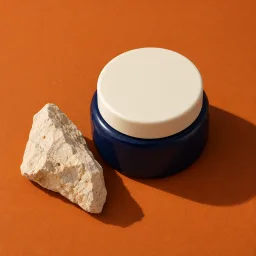
Creative patterns, side by side
A Research set reads each ad with the same fields, so message, angle, offer, proof, objections and CTA line up in one grid. Exceptions stay visible; the set is not a performance claim.
- Coded fields, evidence counts and exceptions
- Blueprint and three original directions
- Compare patterns, evidence and exceptions across videos
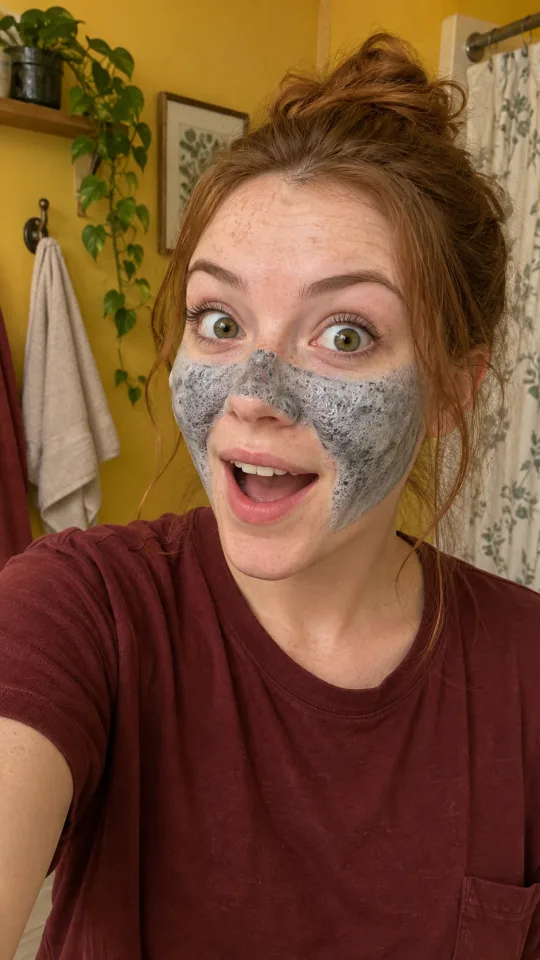

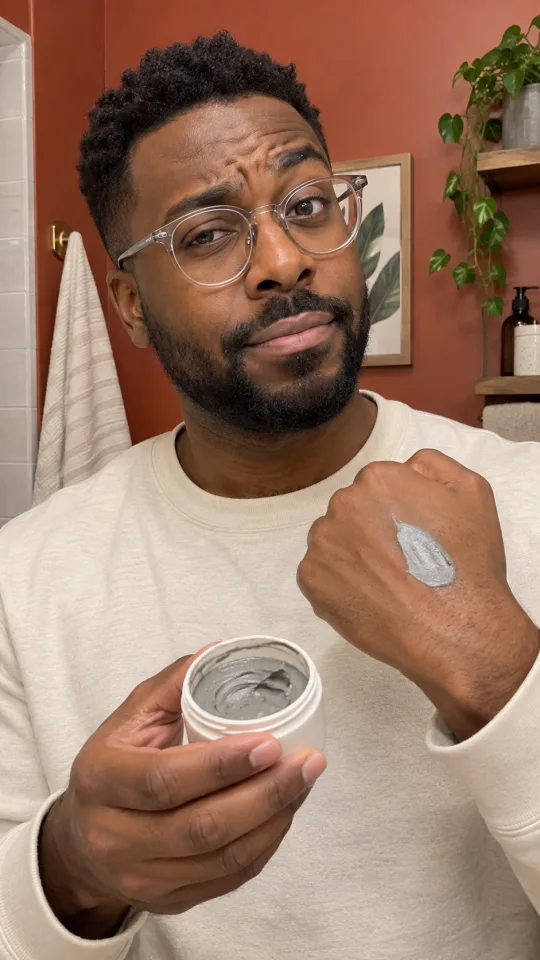





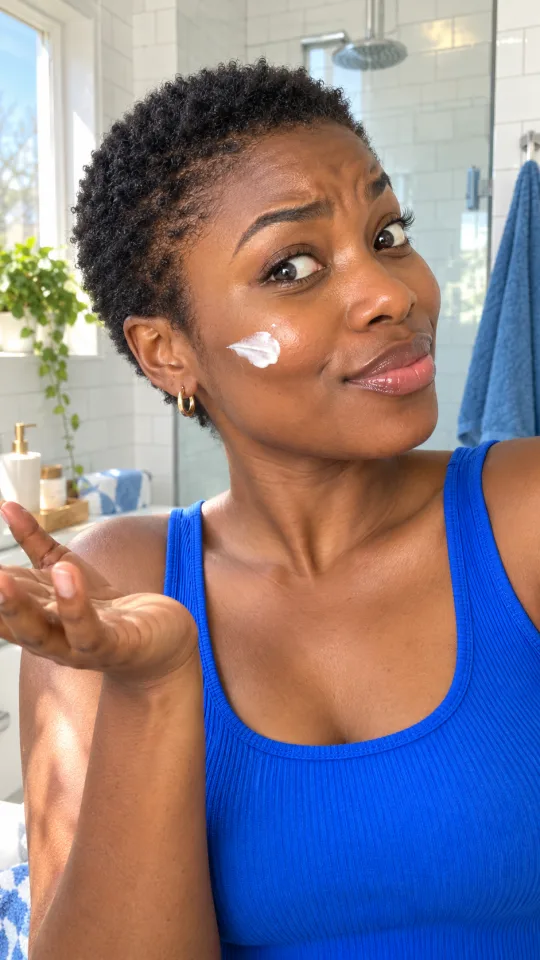



Curiosity gap5/12
Analyze ads from Meta Ads Library, not ordinary Facebook posts
Paste a public Meta Ads Library ad link. Up to 50 links can run in one batch. Ordinary Facebook post URLs are out of scope, and the tool does not read your ad account.
- Meta Ads Library ad links
- Public ad creatives
- Up to 50 links per run
Compare patterns, evidence and exceptions across videos
3Videos · 3 Brands
Rewrite from an analyzed reference, not a blank prompt.
Keep the chosen hook, angle, format or structure from the analyzed ad. Save your product, audience, voice and required claims, then draft and revise with that context.
Rewrite the structure for your product
Keep the hook, angle, format or beat structure you chose from the reference. Swap in your saved product, audience and voice, and get a draft that borrows the logic, not the lines.
- Reference-led, not a blank prompt
- Drafts and revisions
- Saved versions kept
Original
DraftPortable Lantern
Your product, audience and voice, saved once
Save your product, audience, brand voice, platform and required claims. Every rewrite starts from that profile, so a lamp, its limits and its care details stay consistent.
- Creator profiles
- Required claims kept
- Drafts and saved versions
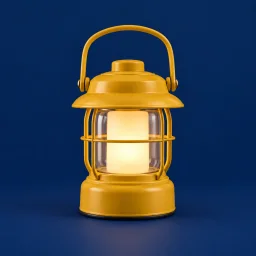
Portable Lantern
Creator profile
- Small-space renters who read outside after dusk
- First-person, practical, no hype
- Meta Ads
Result-first
Contrarian
Question hook
Three directions when one reference is not enough
Put 3 to 50 ads in a Research set, give it a short brief, and get three original directions with hook, angle, structure, proof plan and CTA, then a draft with visual notes.
- Built from a Research set
- Three original directions
- No performance prediction
Skincare competitors: 12 ads
Not “copy this script.” Instead: “use this creative logic for my product.”
Every creative you analyze, saved and searchable.
Transcripts and breakdowns stay in your library, searchable by what was said or shown. Export the transcript or analysis, or send it to Sheets, Notion or Obsidian.
Take the analysis with you
Copy transcripts or export TXT, Markdown, SRT, VTT, DOCX, PDF and CSV. Send results to Google Sheets, Notion or Obsidian, with transcript timestamps preserved.
- Timestamps kept in every format
- Translate before export
- Destinations and files
The lamp that goes where the evening goes
Transcription
00:00The best seat on the balcony was always the one furthest from the socket.00:05So I stopped planning the whole evening around an extension cable.Analysis
Hook archetypeProblem CalloutAngle categoryPain ReliefFind any creative or line you have saved
Search titles, brands, transcripts, translations and analyses. Filter by platform, hook type, format and CTA intent; star keepers and file them in folders.
- This lamp charges inside and …00:09
Who uses it
- Curiosity Gap00:18
- Result First00:00
- Result First00:14
- Curiosity Gap00:30
What you get
- Message, angle, offer, proof, objections and CTA
- Each finding tied to a script line or visual
- Up to 50 ads compared Research set
From a replay loop to a cited creative read
Example
Before
- One Meta ad replayed and paused
- lines typed from memory
- a guess at the audience and angle
- proof and objection notes mixed together
- a CTA copied word for word
With AnyScript
- One Meta Ads Library link
- a script with quoted lines
- message, angle, audience, offer, proof, objections and CTA separated
- each finding tied to creative evidence
- A draft that keeps the structure, not the wording
Analyze more. Research and create with Plus or Pro.
FAQ
Answers for this tool
Open the public ad in Meta Ads Library, copy the ad link and paste it into the input. You get a transcript and a creative read: message, angle, audience, offer, proof, objections and CTA, each tied to the creative evidence.
Works with every platform
Paste a link from any of them and get the same transcript, breakdown and exports.
- Video Hook AnalyzerTikTok videos and Shop ads, with the hook, proof and CTA broken down.
- Instagram Reels transcript generatorReels turned into text, with the hook, structure and CTA broken down.
- YouTube transcript generatorShorts and YouTube videos turned into text, with the structure mapped beat by beat.
- X/Twitter video transcriptVideos posted on X, turned into a transcript and a breakdown.
- Pinterest video transcriptVideo Pins, turned into a transcript and a breakdown.
- Google Drive transcriptionYour own video files, shared from Drive, transcribed and analyzed.
- Meta ad transcriptsAds from the Meta Ad Library, with the offer, proof and CTA broken down.Paste the link above
Find the creative choices behind the ad.
The ad's message, angle, offer, proof, objections and purchase ask, tied to its own lines.
Transcribe, analyze, research and create