
AI Video Analysis
See how a video works, with findings linked to exact transcript lines.
AI video analysis: from spoken lines to evidence-linked findings
The transcript comes first, then findings on the video’s hook, audience, message, proof, structure and CTA. Every label points to the exact line that supports it.
Week-later functional proof beats a staged tidy picture.
Source line
00:07- 00:07
So this time I measured the drawer before I bought anything.
- 00:11
The dividers slide apart, which means the scissors can have a long space and the clips can have a small one.
Each finding links to the exact line and timestamp that supports it. Click one to return to that moment and check the call before you build on it. Keyframe evidence is added only when frames are acquired.
Every finding cites a line
The opening line, “This drawer looked organized every Sunday and impossible by Tuesday,” is the evidence behind the hook finding, not a paraphrase.
Structure follows the actual lines
The middle lines explain measurement and adjustable dividers; later lines return to use after a week and finding tape with one hand. The structure finding points to those lines.
Visual and transcript stay separate
The overhead drawer photo is described in the cover. Keyframe analysis fills visual findings only when frames are acquired; nothing visual is inferred from the transcript alone.
Explore a sample video analysis
This sample’s result: the transcript followed by findings on hook, audience, message, proof, structure and CTA, each linked to the exact line. Visual notes are kept separate and appear only when keyframes are acquired.
 00:47
Sample
The drawer that was always a mess
- Tutorial
- Hook ·Problem Callout
Transcription
Translate- 00:00
This drawer looked organized every Sunday and impossible by Tuesday.
- 00:03
I kept buying trays that were almost the right size.
- 00:07
So this time I measured the drawer before I bought anything.
- 00:11
The dividers slide apart, which means the scissors can have a long space and the clips can have a small one.
- 00:19
Here is the same drawer after a week of actually using it.
- 00:24
Nothing is color coded. Every item just has somewhere easy to return to.
- 00:29
The useful part is not the tidy picture. It is that I can find the tape with one hand.
- 00:36
If your trays fit everything except your actual stuff, start with the measurement.
- 00:41
The divider sizes are listed below so you can check your own drawer first.
Decision brief
Week-later functional proof beats a staged tidy picture.
Worth borrowing
- Open with repeat failure; delay payoff until the week-later one-hand test.
- Relatable Sunday-to-Tuesday contrast creates instant recognition.
- Week-later result answers the real durability question.
Priority improvements
- No specific drawer type, item, or cost yet.
- State the promised outcome sooner.
- Show drawer dimensions while measuring.
Content profile
Compare dimensions, no total scoreType
Tutorial
Audience
Home organizers frustrated by failed tray purchases
Emotion
frustration turning to relief
Positioning
Practical, measurable home-organization tutorial.
Audience and conversion
Audience tension
- Drawer stays tidy only briefly after organizing.
- Trays look right but fail with real items.
Purchase drivers
- Adjustable dividers fit multiple item lengths.
- Measurement-first method reduces returns.
Use moments
- Sunday reset before a busy week.
- Small home office or utility drawer.
Specialist lens
Key observations
- Outcome · A drawer system that stays usable after a week because every item has an easy return spot.
- Prerequisites · Measure drawer width, depth, and usable height.
- Prerequisites · List the longest and smallest items before buying.
Distribution and engagement
Platform fit
- Instagram Reels: quick before/after, on-screen measurements, and a save-worthy checklist.
Comment triggers
- Viewers may ask for exact divider sizes or drawer dimensions.
- People may share their own almost-right tray failures.
Share triggers
- Before-and-after drawer transformation is easy to save.
- Measurement-first rule feels practical for a partner or roommate.
Put this analysis to work
Generate the next piece, or save reusable strategies and lines.
How it works
1Start with a supported video link
Copy a public video link from TikTok, Instagram, YouTube, X or Pinterest, a Meta Ads Library link, or a public Google Drive video file. Paste it above to analyze the first reference.
2Read the transcript and findings
You get every spoken line with its timestamp, then evidence-linked findings on hook, audience, message, proof, structure and CTA. Each finding returns to the line it came from.
3Save, compare or rewrite
Keep the result in your library, compare it in a Research set, or use AnyScript to rewrite the structure for your product.
What is AI video analysis?
AI video analysis turns a public video into a timestamped transcript plus evidence-linked findings about how it works: hook, audience and awareness, message, proof and offer, structure beats and CTA. A transcript stops at the words; analysis marks each label with the line that supports it.
Paste a supported public video link. Captions are used when available; otherwise speech is transcribed. Keyframe findings are available when frames are acquired. Save results, compare 3 to 50 videos in Research, or rewrite the structure.
AI video analysis vs. watching and taking notes
Most people replay the video, type out the words and outline the findings by hand. It works for one clip and becomes inconsistent across a set.
- Getting the evidence
- Replay + notesReplay, scrub back and type out lines from memory.
- AnyScriptPaste the link; every spoken line comes back with its timestamp.
- Finding the hook
- Replay + notesGuess where the opening ends and the next beat starts.
- AnyScriptHook and message findings linked to the exact line.
- Checking a claim
- Replay + notesScrub through the video to find the second.
- AnyScriptClick the finding; the transcript returns to the supporting line.
- Comparing videos
- Replay + notesOne notes doc per video, each outlined a little differently.
- AnyScriptEvery clip coded with the same fields in a Research set.
- Writing your own
- Replay + notesCopy the wording and change a few product names.
- AnyScriptKeep the structure you choose; new lines.
Understand the video’s job, not just its words.
The transcript comes first. Findings cover hook, audience and awareness, message, proof and offer, structure beats and CTA, each linked to the exact line. Keyframes are analyzed only when frames are acquired.
Every finding points to a transcript line
Each finding links to the exact line and timestamp that supports it. Click one to return to that moment and check the call before you build on it. Keyframe evidence is added only when frames are acquired.
- Transcript line and timestamp behind each finding
- Keyframe notes only when frames are acquired
Analysis
Transcription
- 00:00This drawer looked organized every Sunday and impossible by Tuesday.
- 00:03I kept buying trays that were almost the right size.
- 00:07So this time I measured the drawer before I bought anything.
- 00:11The dividers slide apart, which means the scissors can have a long space and the clips can have a small one.
- 00:19Here is the same drawer after a week of actually using it.
The analysis, split by job
Findings cover hook, audience and awareness, message, proof and offer, structure beats and CTA. Each section shows the transcript lines that support it and a next move. Five-axis radar, never an invented total score.
- Hook, audience and awareness, message, proof and CTA
- Evidence-linked structure beats
- Evidence-backed analysis
Ask why the video is built this way
Chat with one supported video and get answers that quote its lines: why the hook holds, where the proof sits, what to change for your product. Turn a good answer into a draft.
- Every answer cites the transcript line
- Answers linked to transcript evidence
Why does the video measure the drawer before showing the fix?
The early lines set the problem: “This drawer looked organized every Sunday and impossible by Tuesday.” Measurement comes before the fix: “So this time I measured the drawer before I bought anything.” The later line returns to use: “Here is the same drawer after a week of actually using it.”00:00
Ask about content, strategy, or generate a usable script…The words beneath the findings
Analysis starts with every spoken line and its timestamp. Captions are used when available; when usable captions are unavailable, speech is transcribed. This sample is transcript evidence, so it does not pretend to contain visual observations.
- Translate into 180+ languages with cue times kept
- Transcript exports: TXT, Markdown, SRT and VTT
- 00:00This drawer looked organized every Sunday and impossible by Tuesday.
- 00:03I kept buying trays that were almost the right size.
Compare this demo with other reference videos.
Put 3 to 50 public clips into a Research set and see which hooks, proof and CTAs keep coming back. A Research set is not a claim about competitor ad performance.


Hook, proof and CTA side by side
Every video in a Research set is coded with the same fields, so hooks, proof and CTAs line up in one grid. Patterns list supporting videos and exceptions.
- Coded fields, evidence counts and exceptions
- Ends with a blueprint you can brief from
- Research compares 3 to 50 clips







Curiosity gap5/12
Analyze a video or a supported creator import
Start with a supported public video link, or use supported profile and collection imports. AnyScript also accepts up to 50 URLs in one batch.
- Seven supported source platforms
- Meta Ads Library links for ads
- Up to 50 URLs per batch
Compare patterns, evidence and exceptions across videos
3Videos · 3 Brands
Rewrite the structure without copying the lines.
Start from an analyzed reference. Keep the hook, angle or structure you choose, then generate a draft for your product, audience and voice. AnyScript supports revisions and saved versions.
Rewrite the structure for your product
Choose what to keep from the analyzed reference: hook, angle, format or structure. Write new lines for your product, audience and required claims. AnyScript keeps drafts and saved versions.
- Borrows the logic, not the lines
- Drafts and revisions
Original
DraftDrawer Dividers
Product, audience and voice, saved once
Save your product, audience, brand voice, default platform and required claims. Every rewrite starts from that profile, and every version is kept.
- Creator profiles
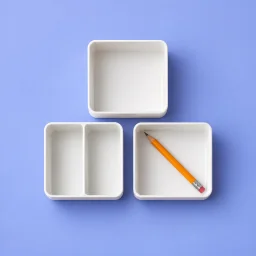
Drawer Dividers
Creator profile
- People who want a drawer that stays usable
- Practical, first-person, no hype
Result first
Curiosity gap
Contrarian
Three directions from a Research set
With a set of analyzed supported videos and a short brief, get three original directions, each with hook, angle, structure, proof plan and CTA, then a full draft with visual notes.
- Built from a Research set
- Visual notes stay separate from transcript evidence
Skincare competitors: 12 ads
Not “copy this script.” Instead: “use this creative logic for my product.”
Every transcript and finding, saved and searchable.
Search by what was said, reopen the evidence, and export.
Take the transcript and findings anywhere
Copy transcripts or export TXT, Markdown, SRT, VTT, DOCX, PDF and CSV. Send results to Google Sheets, Notion or Obsidian, with transcript timestamps preserved.
- Transcript exports: TXT, Markdown, SRT and VTT
- Timestamps kept in every format
- Translate before export
The drawer that was always a mess
Transcription
00:00This drawer looked organized every Sunday and impossible by Tuesday.00:03I kept buying trays that were almost the right size.Analysis
Hook archetypeProblem CalloutAngle categoryConvenienceFind any line you have analyzed
Search titles, creators, transcripts, translations and analyses at once. Filter by platform, hook, format and CTA intent; star keepers and file them in folders.
- This drawer looked organized every …00:00
Who uses it
- Curiosity Gap00:18
- Result First00:00
- Result First00:14
- Curiosity Gap00:30
What you get
- Hook finding tied to “This drawer looked organized every Sunday and impossible by Tuesday.”
- Proof and CTA findings tied to the useful-part line and the divider-sizes line
- A transcript to share with the creative team
From a replayed supported video to evidence-linked findings
Example
Before
- The video replayed to find one line
- Notes typed from memory
- A guess at where the hook ends
- Visual notes mixed with transcript notes
- A rewrite that copies the wording
With AnyScript
- A timestamped transcript
- Hook and message findings tied to exact lines
- Proof and CTA findings linked to the close
- Keyframe notes only when frames are acquired
- A structure to rewrite
Analyze more. Research and create with Plus or Pro.
FAQ
Answers for this tool
Paste a supported public video link. You get the timestamped transcript, then findings on hook, audience, message, proof, structure and CTA, linked to source lines. There is no file upload.
Works with every platform
Paste a link from any of them and get the same transcript, breakdown and exports.
- Video Hook AnalyzerTikTok videos and Shop ads, with the hook, proof and CTA broken down.
- Instagram Reels transcript generatorReels turned into text, with the hook, structure and CTA broken down.
- YouTube transcript generatorShorts and YouTube videos turned into text, with the structure mapped beat by beat.
- X/Twitter video transcriptVideos posted on X, turned into a transcript and a breakdown.
- Pinterest video transcriptVideo Pins, turned into a transcript and a breakdown.
- Google Drive transcriptionYour own video files, shared from Drive, transcribed and analyzed.
- Meta ad transcriptsAds from the Meta Ad Library, with the offer, proof and CTA broken down.Paste the link above
Analyze your video, line by line.
Transcript, hook, audience, message, proof, structure and CTA from one public video.
Transcribe, analyze, research and create